



Artificial intelligence streamlines routine work and helps process and analyze large volumes of information. Automation already handles many of these tasks. AI tools go further: they do not merely save time, but can also propose ideas, communicate, perform in-depth analysis, and provide recommendations. But how necessary and applicable are they in the work of HR professionals? We explore this question in the article.
Contents
Experience using AI in HR: international and Russian practices
AI capabilities in HR
To better understand the capabilities of artificial intelligence in HR, let us clarify its definition. AI encompasses technologies including machine learning, natural language processing (NLP), computer vision, and big data analytics. For HR, the practical applications of AI tools matter most, such as quickly producing an appealing job description or analyzing employee performance.
Depending on the task, AI tools can be divided into two categories: generative tools and services for analytics and automation.
Generative AI
These tools support creative tasks by producing text, images, code, and other materials.
For example:
- ChatGPT. Adapts job descriptions for different platforms, creates candidate email templates, and automates correspondence.
- Jasper. Suitable for creating marketing copy, internal communications, and personalized messages.
- Writesonic. Writes social media posts and job advertisements aimed at broad audiences.
- Copy.ai. Creates creative copy such as slogans, short descriptions, and event invitations.
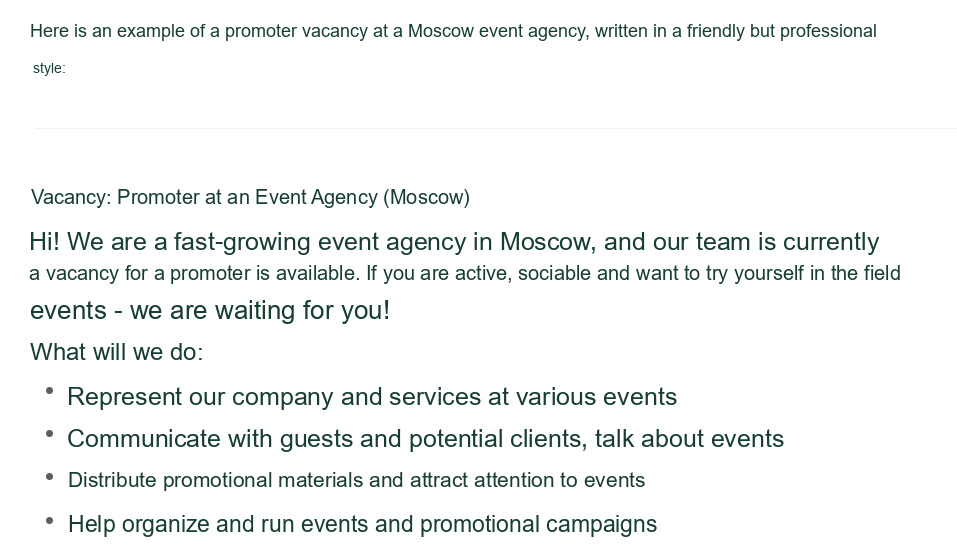
Example of an AI-generated job posting
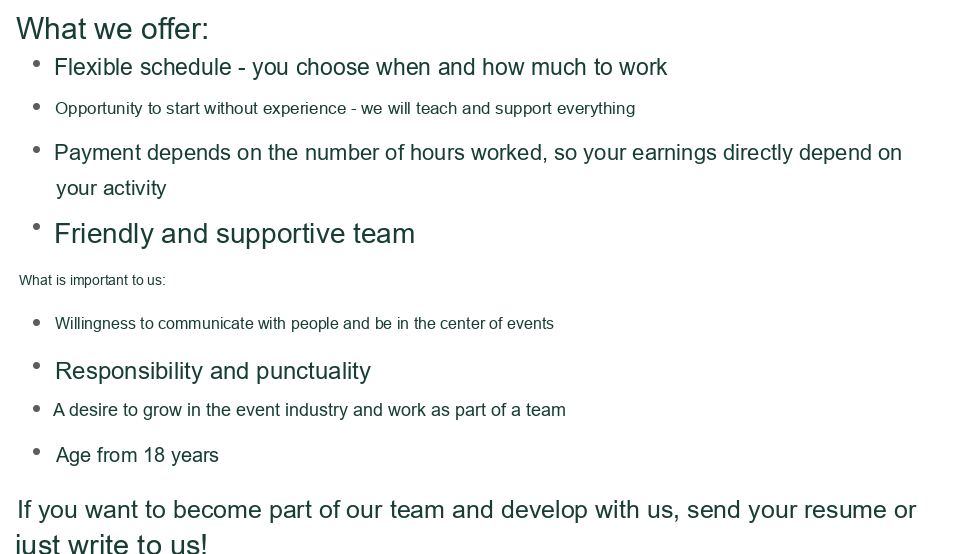
Source: ChatGPT
Analytics and automation tools
These tools are used for more complex tasks involving large-scale data processing and decision-making. They are typically part of HR platforms and designed for specific purposes.
For example:
- Workday. Forecasts employee performance, analyzes data, and automates HR tasks.
- HireVue. Offers AI-powered video interviews and analysis of candidates’ language and behavioral data.
- Appraise. Specializes in employee assessment and engagement monitoring, providing AI-powered recommendations.
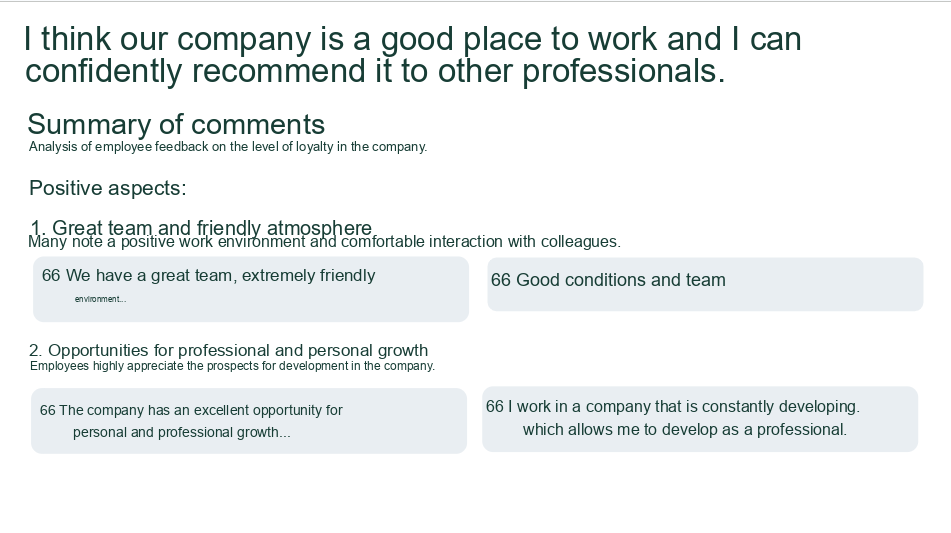
AI-powered survey summary in Appraise
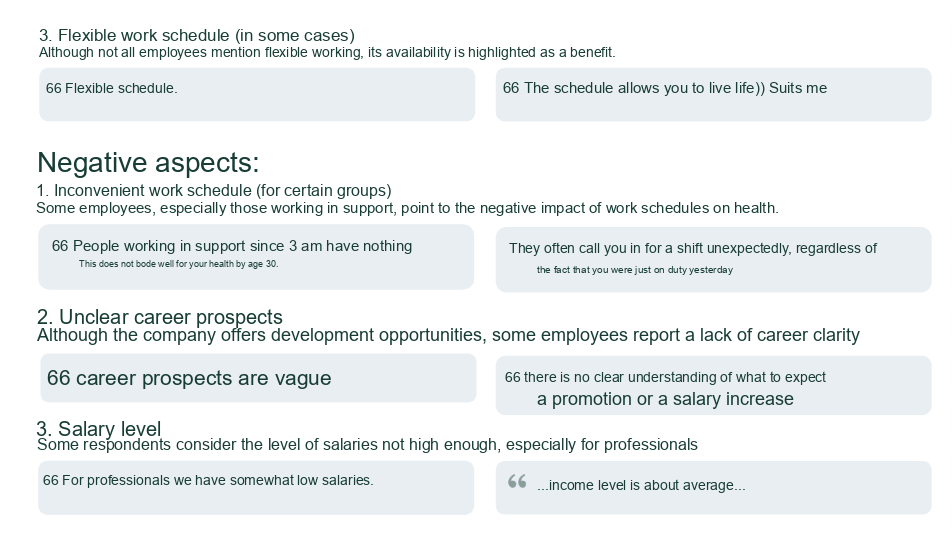
Source: report in Appraise
The two categories work extremely well together: generative AI supports creative tasks, while analytics platforms simplify data processing.
How AI helps HR professionals
Artificial intelligence simplifies routine tasks, but it can also analyze vast volumes of data in depth and propose solutions. Here is how it can support HR.
Recruitment
AI analyzes resumes, helps conduct initial interviews through chatbots, and can even schedule interviews. It processes hundreds of resumes in minutes, identifying suitable candidates according to specified criteria.
Important: artificial intelligence uses objective criteria to assess candidates, reducing the influence of bias. This is particularly useful when analyzing large volumes of applications.
Hiring and onboarding
AI tools can support the entire onboarding process by preparing recommendations for new employees and tracking their completion.
AI can also predict whether an employee will successfully complete probation. It analyzes candidate and employee data, including resumes, interview results, psychological tests, workplace behavior, feedback, and even aspects of corporate culture. From this data, the AI model identifies patterns associated with successful probation or, conversely, the risk of resignation. This improves hiring quality, reduces turnover, and saves the company money overall.
Survey analysis and clustering
AI processes vast data sets and converts them into a clear report.
When surveys include open-ended questions and comments, AI can identify sentiment and key topics. This reveals hidden issues and positive trends. It can also detect patterns in changes to sentiment, satisfaction, and engagement that are difficult to identify through manual data processing.
Learning and development
Generative AI models can create course materials and training scenarios, or adapt content for employees with different levels of experience. Analytical AI tools help HR professionals track training progress and provide recommendations for further development.
AI can also suggest personalized learning programs, courses, or coaching sessions based on an employee’s tasks and skills.
Compensation analysis and calculation
AI collects labor market data and helps create competitive offers to attract and retain top professionals. It can also create individual compensation plans based on an employee’s skills, experience, performance, and career goals.
AI models can also predict how salary changes will affect the company budget, turnover, and motivation, helping plan expenditure and optimize compensation.
Employee performance management
AI can provide thoughtful and constructive feedback, making it easier to discuss an employee’s performance.
Recent studies show that introducing AI into Performance Reviews helps counter subjectivity and bias, enabling a more objective and inclusive assessment of employee achievements through project metrics, peer feedback, and the quality of completed work. This improves assessment accuracy and builds confidence among employees who performed well but doubted their abilities.
Free guide
How to build a feedback culture: a step-by-step plan and templates
When AI cannot replace people
When introducing AI into HR, it is important to understand that it is not a cure-all. It cannot replace the human touch in tasks requiring empathy and intuition. Difficult feedback conversations, discussions of termination terms, and strategic changes within the company remain a human responsibility.
Another important point: even the most advanced algorithms require HR oversight to safeguard against errors and failures.
Otherwise, AI is a versatile tool that significantly simplifies HR work, reduces recruitment costs, and improves company performance. See for yourself with Appraise by trying the platform’s capabilities for free. Run regular surveys, collect feedback, track changes in team engagement, and receive AI-powered recommendations.
Free up HR's time
for more important tasks
Discover what Appraise can do for your company