



The data is unforgiving. Figures vary by source, but they all point to the same conclusion: more than 45% of employees are experiencing stress. One in four is on the verge of burnout. HR teams are the first to notice the warning signs, from emotional detachment to declining engagement. In this article, we explain how to recognize when your team needs support, restore inspiration, and prevent “quiet quitting.”
Contents
Is burnout a real problem?
Yes, and its negative impact on business is difficult to overstate:
- Employees experiencing occupational burnout are 63% more likely to take sick leave and 2.6 times more likely to resign.
- A burned-out employee communicates less effectively with the team and struggles to lead processes. This reduces business efficiency and causes tangible financial losses, which may reach RUB 8.7 trillion per year.
- A burned-out employee can become a source of negativity within the team due to irritability, withdrawal, and a cynical attitude toward colleagues and tasks. This reduces motivation across the entire team and may increase employee turnover over time.
- Hiring a replacement can cost a company up to 200% of the employee’s annual salary.
The HR team’s task is to prevent burnout among employees by using every available tool.
Universal ways to combat burnout
Physical activity: regular exercise helps reduce stress and improve overall well-being. Organize outdoor corporate events and set up a fitness area in the office.
A healthy lifestyle: maintaining a regular sleep schedule, eating a balanced diet, and limiting caffeine intake all improve resilience to stress. Add healthy snacks and drinks to the office pantry and agree on “quiet hours” (for example, no task-related messages after 8:00 p.m.).
Clear planning and task prioritization reduce stress and enable effective time management. Remember to maintain a healthy work-life balance.
Breaks and vacations: encourage short breaks and remind employees to take vacations, as both are essential for restoring energy.
Combating burnout is an ongoing process that requires attention and regular assessment, as well as thoughtful feedback. The sooner you notice the warning signs, the better your chances of keeping the team motivated and effective.
How to combat burnout with HR tools
1. Surveys and questionnaires
Maslach Burnout Inventory (MBI)
One of the best-known and most widely used tools for assessing occupational burnout. It helps identify three key aspects:
- emotional exhaustion, a feeling of fatigue and depleted energy that leaves nothing for work;
- depersonalization, indifference or cynicism toward colleagues and clients;
- reduced professional efficacy, a sense that the respondent is less capable of fulfilling their responsibilities.
MBI results reveal the employee’s emotional state and indicate which areas require attention from HR or their manager.
Sample questions:
- “Do you feel emotionally exhausted after the workday?”
- “Have you noticed that you have become more cynical toward your colleagues?”
- “Do you often feel that you no longer contribute value to your team?”
- “How satisfied are you with your work overall?”
FADE questionnaire
This tool tracks not only the level of burnout but also movement between its stages: from equilibrium and strain to exhaustion and helplessness. It also helps determine which needs remain unmet, such as the need for recognition, support, work-life balance, or fair compensation.
FADE is useful when you need to understand the underlying causes of stress rather than just its symptoms.
Sample questions:
- “Do you feel that you give a great deal but receive little in return?”
- “Do you feel supported by your manager?”
- “Are you satisfied with how the workload is distributed across the team?”
- “Do you have time to recover after completing work tasks?”
Pulse surveys
These are short surveys sent at regular intervals. They make it possible to track changes in employee sentiment and engagement over time. Pulse surveys are particularly effective for identifying early signs of burnout and shifts in the team’s emotional climate. They can be conducted weekly or monthly, enabling a prompt response to changes.
Sample questions:
- “How often do you feel stressed at work?”
- “Do you have enough time to rest and recover?”
- “How satisfied are you with the atmosphere in your team?”
- “Do you feel that your work is meaningful?”
- “Do you receive recognition for your achievements?”
Free guide
HR surveys: types, how to conduct them + useful templates
2. 360-degree assessment
- their emotional state;
- how often they work overtime;
- the level of support within the team.
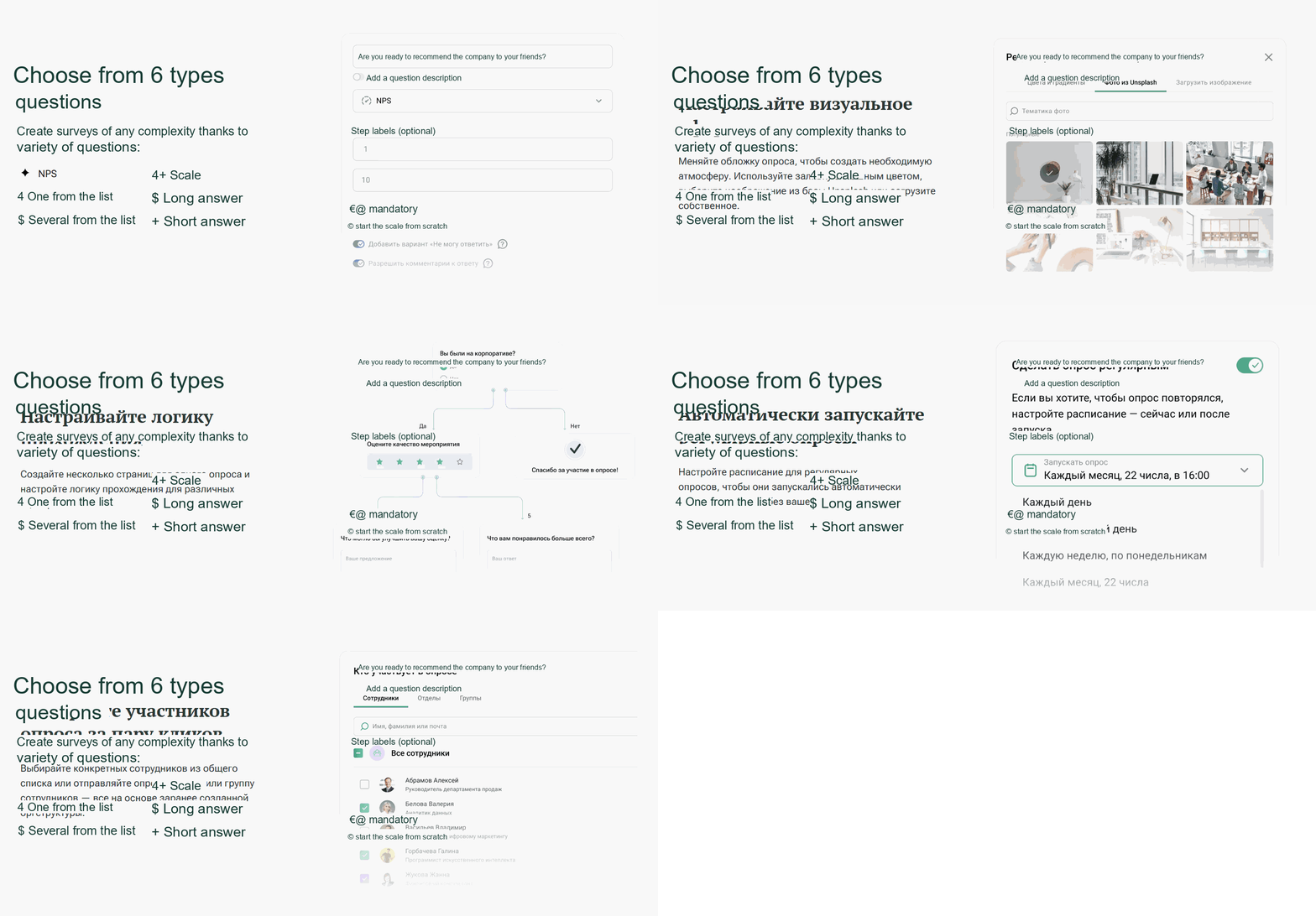
Forget manual analysis of results: once the survey is complete, Appraise will generate an accurate, detailed report. You can download it as a ready-to-use presentation with heat maps, charts, and recommendations to share with your manager immediately.
3. Recognition and feedback
According to Gallup research, employees who receive regular feedback are 3.6 times more likely to be motivated to perform at a high level.
Our recommendations:
- Train managers at every level to praise employees regularly and effectively, whether in direct messages, during one-on-one meetings, or through another format used in your organization.
- Use public recognition (for example, during meetings or in corporate chats) to reward employees.
- Embed continuous feedback in the company culture by gathering it from colleagues, direct reports, and managers. This will help employees adapt and develop more quickly.
- Encourage recognition. Gamification is one option: award points for every piece of feedback sent or received, which employees can later exchange for a trip to a bar with colleagues, a game console for the office, or payment for a course.
4. Growth and development opportunities
According to Randstad data, a lack of career prospects prompts 70% of employees to look for a new job. Meanwhile, companies that offer clear career paths retain employees 34% longer, according to LinkedIn.
Career growth does not always mean a higher salary or a promotion, although these matter too. It is important to show employees that the company is invested in their personal and professional development. Here is what you can do:
- Provide employees with financial support for training courses and tickets to industry events.
- Offer mentoring or coaching to help employees develop their skills.
- Create individual career plans for each employee, with clear requirements and descriptions of each stage of growth.
- Regularly discuss employees’ career goals with them and help them achieve those goals.
5. Clear goals and transparency
Of the employees who participated in a Forbes survey, 85% reported that a lack of clear goals negatively affects their productivity. Meanwhile, Gallup research found that engagement is 2.8 times higher among employees who understand how their work contributes to company goals.
What should you do? Make goals transparent and accessible:
- Coordinate with managers and schedule quarterly presentations for employees covering team results and future plans.
- Create a goals page on the corporate portal or pin it in company chats so that it is easy to find.
- Make discussing employee achievements a regular part of team or one-on-one meetings, emphasizing the importance of each person’s contribution to company results.
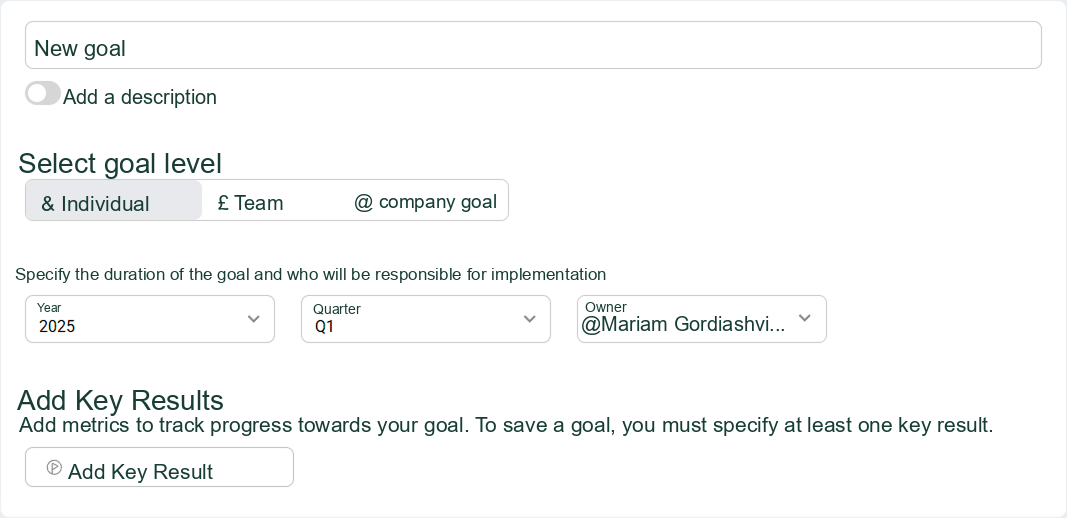
- Use tools for setting and tracking goals.
Visual goal setting helps managers and employees align their efforts, stay focused on priorities, and track progress in real time.
Burnout cannot be eliminated once and for all, but you can create a culture in which employees feel supported and their well-being becomes part of the company’s strategy. Continuous attention to employees’ well-being, transparent goals, and recognition of achievements form the foundation of a healthy, motivated team.
With Appraise tools