



«Performance Review» is a phrase that fills many HR professionals with dread. They have to create surveys, engage employees in them, compile numerous Excel spreadsheets, and analyze the results… In this article, we discuss why Performance Review is criticized and the main mistakes managers and HR professionals make, and share useful survey and report templates.
Criticism of Performance Review (PR)
The primary purpose of a Performance Review is to gather information
for management decision-making. The cost of making the wrong decision
is too high for a business.
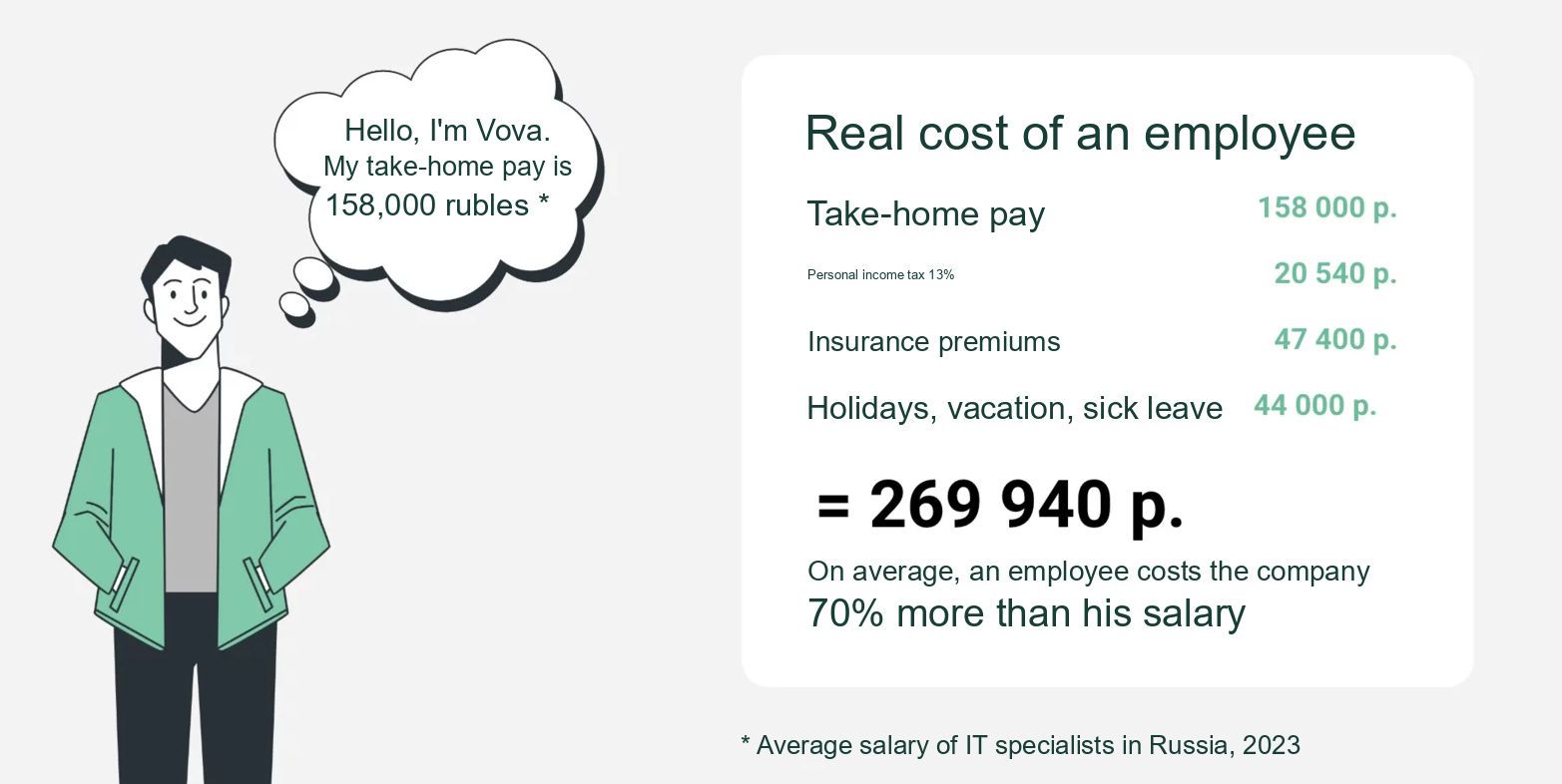
How much does one employee cost?
Even this objective, however, is not always considered a compelling reason to conduct an assessment. Why do so many companies abandon Performance Reviews?
According to McKinsey and Harvard Business Review, companies mistakenly believe that PR:
- Is useless for leaders. Most managers surveyed believe that Performance Reviews do not help them identify top performers.
- Demotivates employees. Only 14% of employees surveyed agree that Performance Reviews inspire them to improve.
- Is time-consuming. Fifteen Fortune 500 companies abandoned PR because of the time it requires.
- Is inferior to regular feedback. For example, Adobe replaced annual PR with continuous employee feedback.
Mistakes in Conducting Performance Reviews
Incorrect Delegation
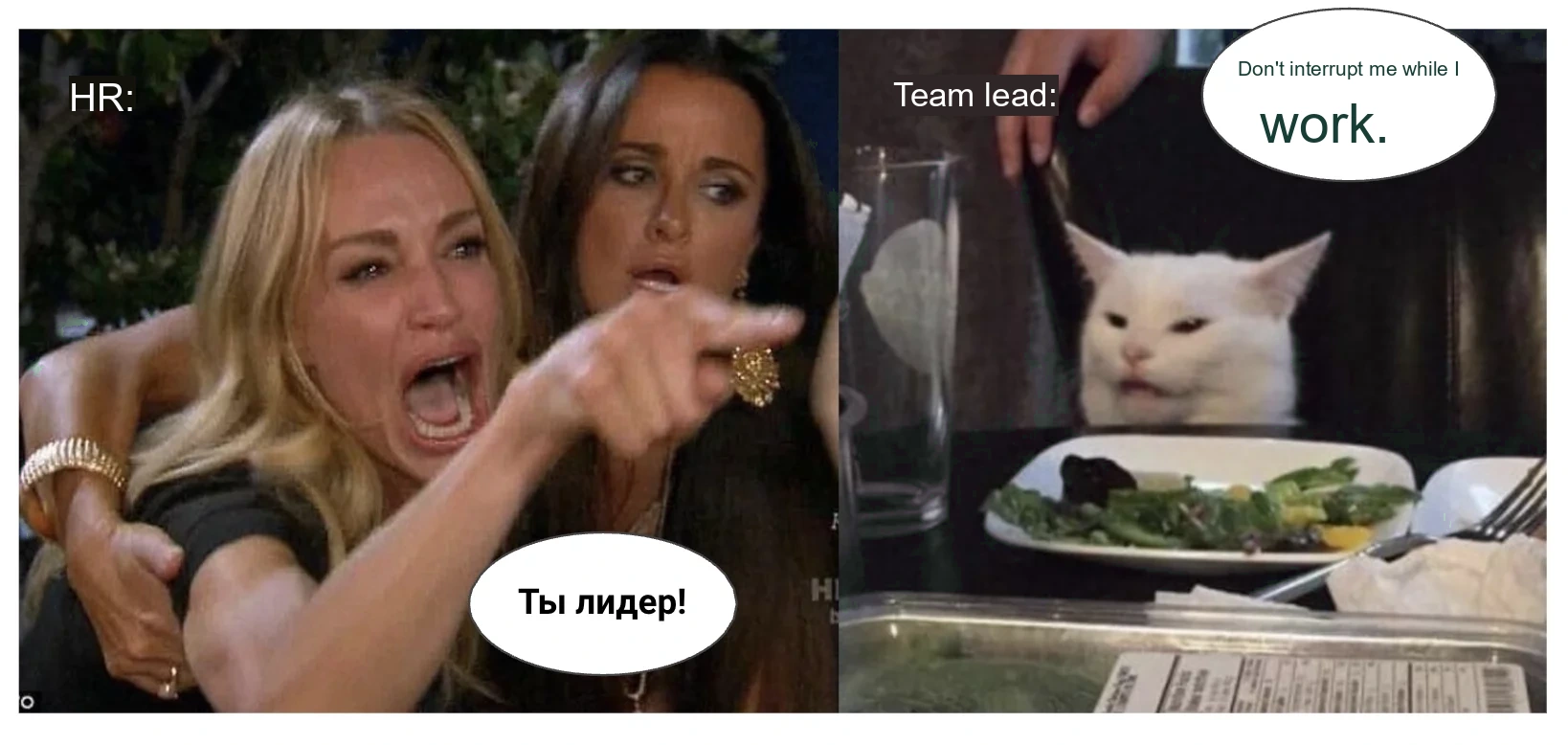
Tip 💡 Involve managers in Performance Reviews and define responsibilities from the outset: what the team lead will be responsible for and what the HR department will handle. HR should act as a methodology expert who assists with conducting Performance Reviews, analyzing results, and organizing 1−1 meetings.
Conducting Performance Reviews Once a Year or Less Often
The main reason people experience stress when exchanging feedback is not a lack of professionalism, but a lack of regularity. If employees receive feedback only during a Performance Review, it will naturally put them in an unfamiliar and stressful situation.

Tip💡 The solution lies in building a feedback culture where employees and managers openly discuss issues, provide regular feedback, and establish expectations for the future. Make feedback a natural part of the workflow, and employees will no longer feel stressed when a new Performance Review cycle is announced.
Lack of a Safe Environment
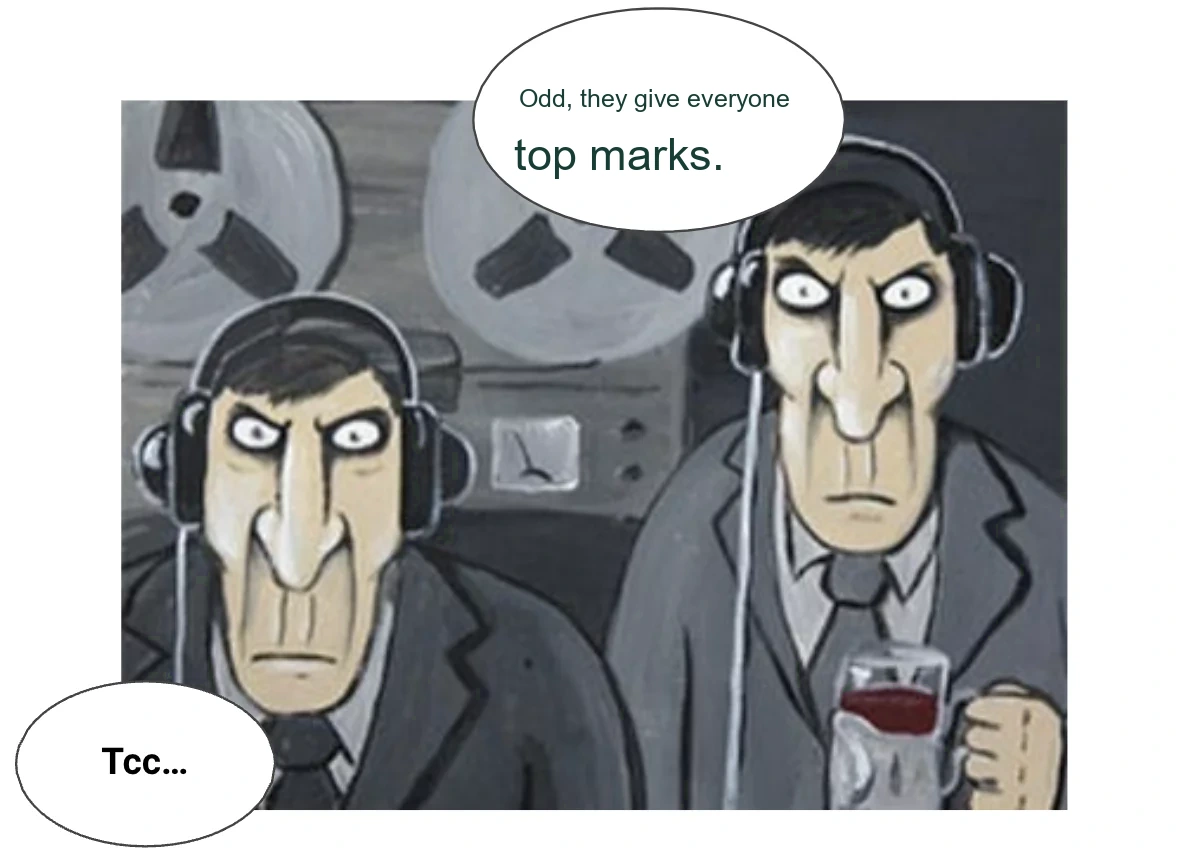
Tip💡 Run a PR campaign for Performance Reviews. Explain that it is important for employees to receive feedback, recognize their strengths and areas for growth, understand their prospects within the company, and have transparency in management decision-making. Make it clear that the purpose of a Performance Review is not to dismiss people, but to foster their professional growth.
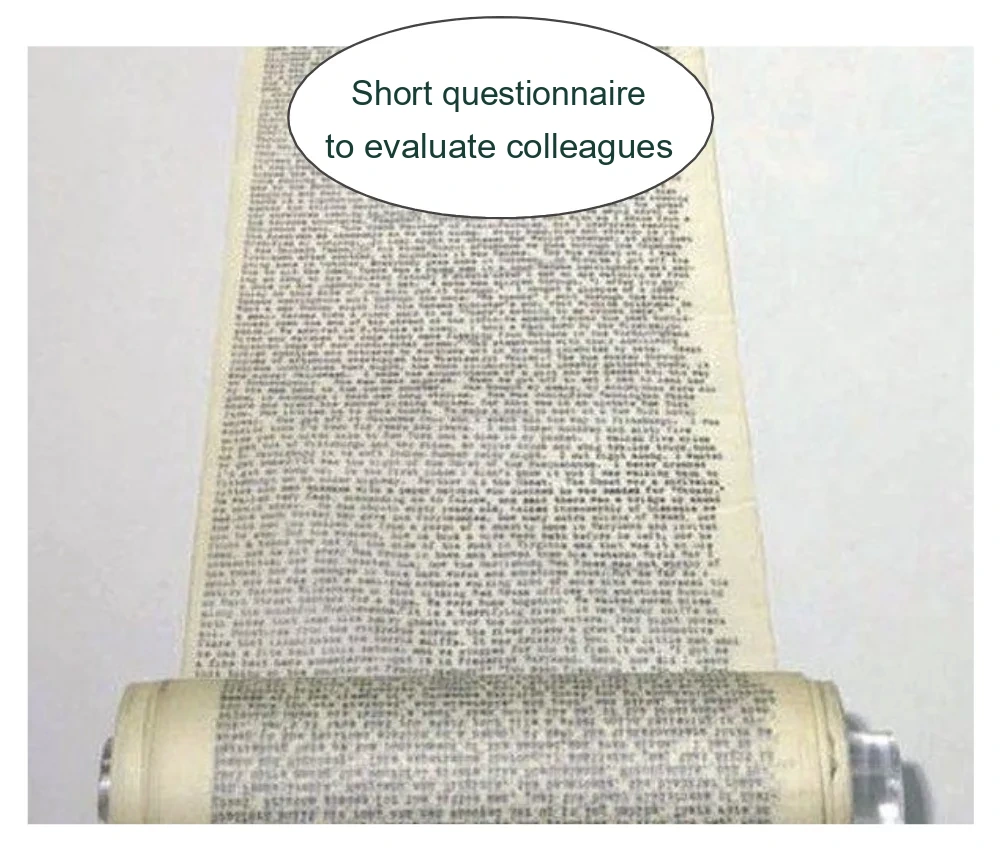
Long Questionnaires and Too Many Participants
Questionable Choice of Questions
How to Write Questions for a Performance Review
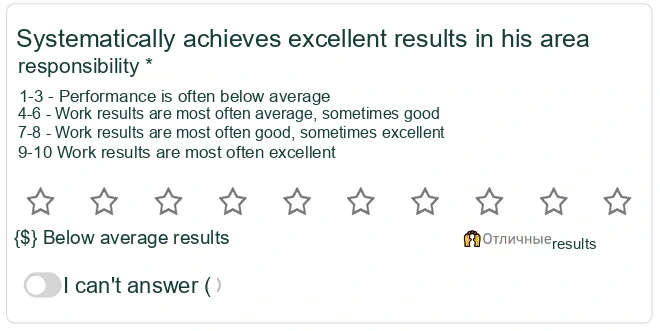
Explaining the Scale Makes the Survey Clearer and Faster to Complete
Examples of Performance Review questions:
1. Consistently achieves excellent results in their area of responsibility
1-3 — Performance is often below average.
4-6 — Performance is generally average and occasionally good.
7-8 — Performance is generally good and occasionally excellent.
9-10 — Performance is generally excellent.
2. Is engaged in their work, cares about the team’s goals, and is genuinely committed to the outcome
1-3 — Is not engaged in their work and is indifferent to the outcome.
4-6 — Is minimally engaged in their work and is not concerned when results are not achieved.
7-8 — Is engaged in their work and cares about the team’s goals and results.
9-10 — Is highly engaged in their work and is genuinely committed to the outcome.
3. Respects and values every employee’s opinion, even when it differs from their own
1-3 — Does not respect or consider the opinions of other employees.
4-6 — Generally does not value or consider the opinions of other employees.
7-8 — Respects and tries to consider every professional opinion expressed by colleagues.
9-10 — Values colleagues’ opinions and actively consults the team on various matters.
4. Thanks colleagues and provides them with constructive, developmental feedback
1-3 — Almost never provides feedback to colleagues.
4-6 — Provides feedback to colleagues very rarely.
7-8 — Periodically thanks colleagues and provides constructive, developmental feedback.
9-10 — Frequently thanks colleagues and provides constructive, developmental feedback.
Find more example questions in our free template 👇

Survey and Report Templates
How to Conduct a Performance Review
Lack of Automation
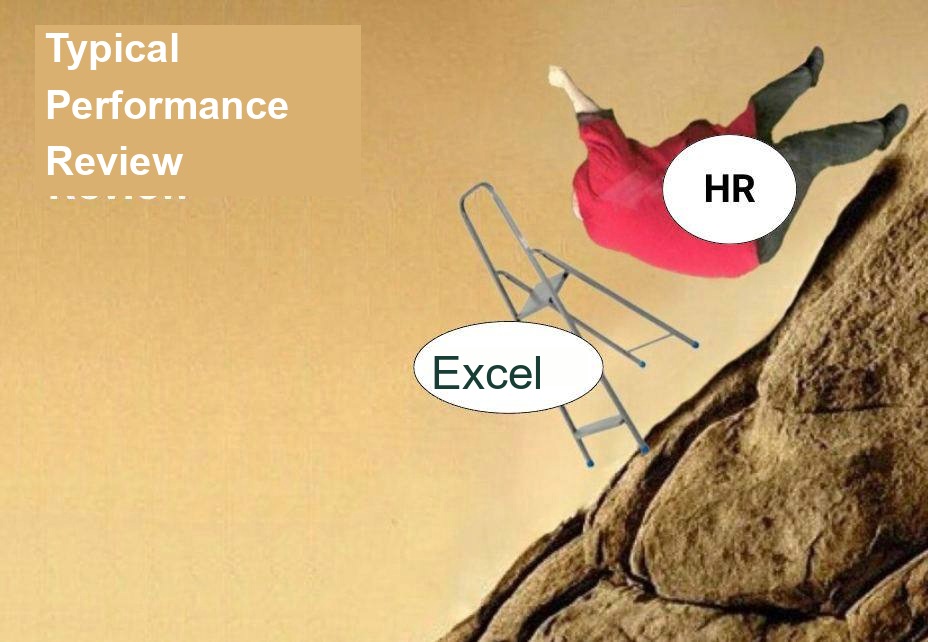
How to Automate Performance Reviews
Automatic Respondent Selection
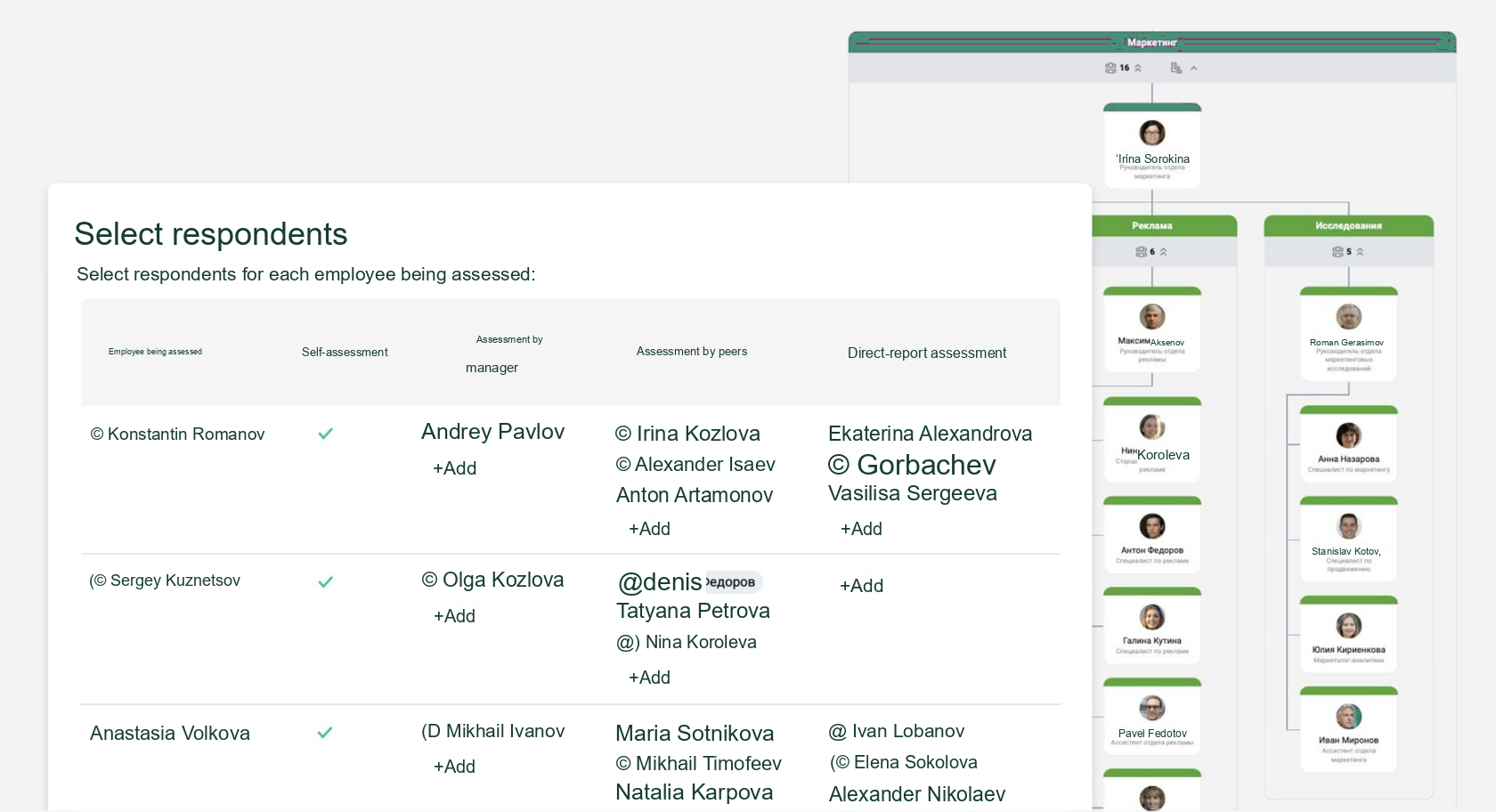
What the Organizational Structure Looks Like in Appraise
Flexible Questionnaire Builder
In addition to methodologically sound assessments, HR professionals and managers need to create their own forms and questions for specific employees.
For example, in Appraise, you can create several questions to assess each competency,
with the results combined into an average score. In the questionnaire builder, you can choose any scale from 0 to 10, add a «Cannot answer» option, and allow users to leave comments.
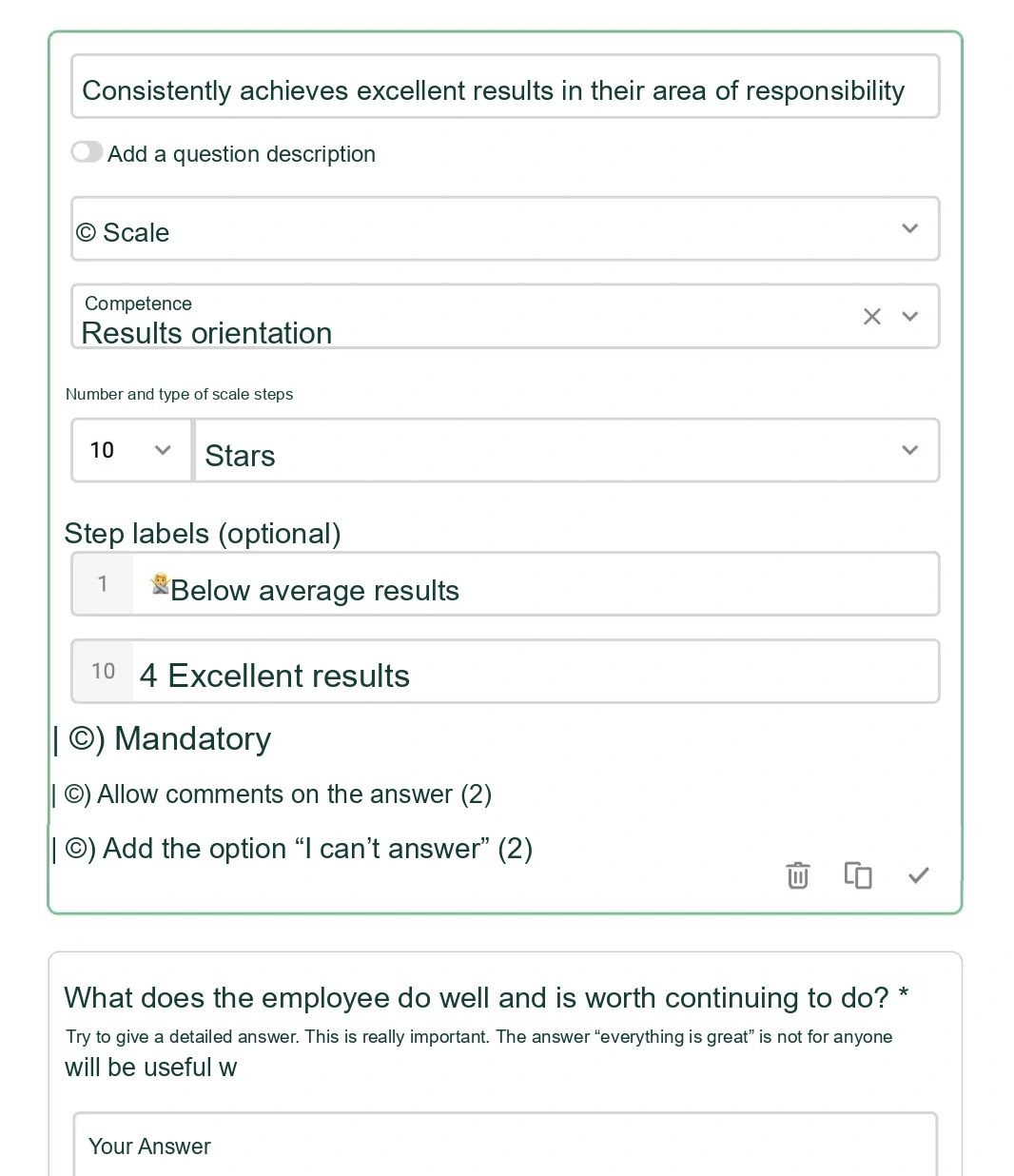
Appraise Questionnaire Builder
Tracking and Reminders
It is important to track assessment completion and send reminders to those who have not completed their questionnaires. Appraise can send push notifications by both email and messenger.
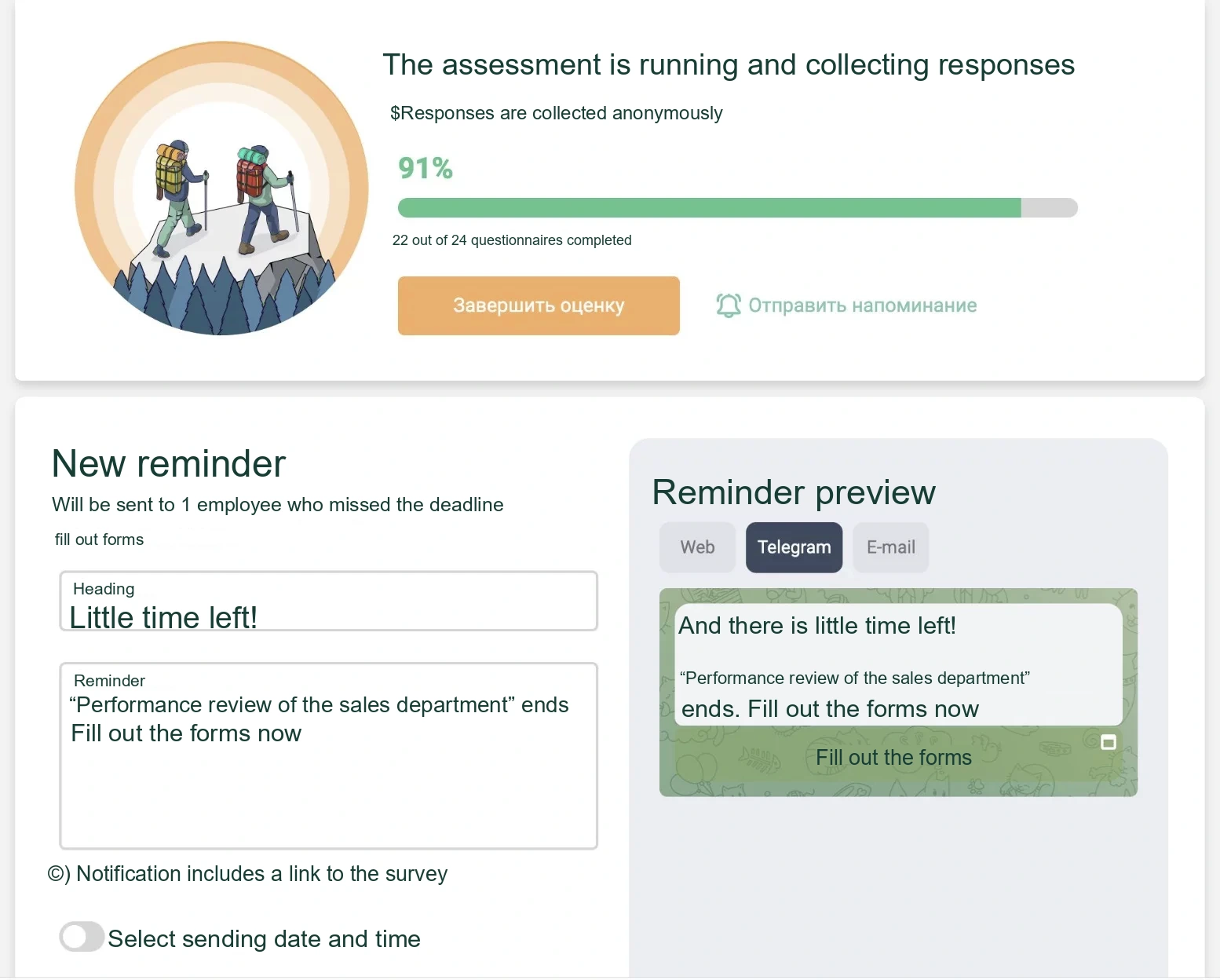
Configuring Push Notifications in Appraise
Clear Reporting
There is no point in automating PR if the assessment results are presented as Excel spreadsheets. In Appraise, assessment results can be compared across assessment cycles and respondent groups: self-assessment, manager, colleagues, and direct reports. All of this can be exported as a ready-to-use presentation with comments and recommended next steps.
Implementing Performance Reviews is not easy. However, by following our recommendations, you can launch an assessment quickly and eliminate the hassle.
Join an Appraise Demo
Learn how to conduct Performance Reviews without the hassle