




The essentials of one-to-one meetings: what they are, their benefits, and how to organize them effectively for everyone involved.
A 1-1 meeting (one-to-one or one-on-one) has two participants, usually a manager and their direct report. Less commonly, an employee may meet with their mentor or their manager’s manager, known as a skip-level 1-1.
One-to-one meetings with employees are especially important because they lay the foundation for trusting and productive collaboration. They provide an opportunity to discuss work issues and emerging challenges, give feedback, or offer support. Let’s take a closer look at how these meetings benefit everyone involved and the company itself.
Benefits of 1-1 Meetings
For Employees
Regular feedback from a manager helps employees understand where they are and where they need to go next. If they need to adjust course, they find out immediately and can correct the situation in time.
A 1-1 meeting also gives an employee an opportunity to discuss concerns that there is rarely time to address during normal working hours. Various studies show that employees who receive supportive partnership from their manager are more satisfied with their lives than those whose managers do not provide it.
📈 1-1 meetings give employees the feedback and guidance they need to perform successfully and advance their careers.
For Managers
To unlock direct reports’ potential, managers need to connect with them and establish common ground. Dedicated 1-1 meetings build trust and create an environment where managers can better understand how employees feel, what concerns them, and how they view challenges and tasks. This allows managers to act in time to maintain employee satisfaction and productivity.
In addition, 1-1 meetings are an ideal way for managers to receive timely feedback from direct reports, understand what is expected of them, and improve their own performance.
📈 1-1 meetings help managers address problems early, guide employee development, and improve retention.
For the Company
A company’s success depends greatly on the effort managers make to build relationships with their team members.
Regular 1-1 meetings are an excellent engagement tool. Employees who can ask their manager where the company is going and how their role fits into the bigger picture are much more engaged in their work. Engagement is directly linked to employee retention and productivity
📈 1-1 meetings benefit not only individual employees, but also the company’s financial performance.
How to Conduct One-to-One Meetings with Employees
Frequency
Many managers ask: “How often should I hold 1-1 meetings with my direct reports? Is once a month enough, or should we meet every week?” The answer is simple: the important thing is to make these meetings a regular practice. Beyond best-practice recommendations, choose a frequency that works for both the manager and their direct reports. Several general guidelines can help.
The ideal schedule is 30-60 minutes every one or two weeks. Google’s re:Work project, Radical Candor author Kim Scott, and many others recommend this meeting frequency.
As a rule, 1-1 meetings should be held weekly. If a manager and their direct reports communicate every day, meetings can be held every two weeks. The same frequency may be appropriate for teams of more than five people.
Monthly 1-1 meetings should be the exception, not the norm. A great deal can happen in a month, and managers risk losing touch with their direct reports.
Format
In-person conversations are the preferred format for creating a trusting environment. If both participants work in the same office, a small, quiet meeting room is the most convenient location. Once 1-1 meetings become an established practice, vary the setting by meeting during a walk or at a cafe, for example.
If the team works remotely, try to hold online meetings with cameras on. Nonverbal cues play an important role in communication, so video calls and in-person meetings are preferable to text messages and voice calls.
Preparation
Thinking through questions and topics in advance helps ensure that nothing important is missed. A detailed plan is not necessary; a few talking points are enough.
Important: give employees the opportunity to take the initiative and suggest their own discussion topics. This demonstrates that a 1-1 meeting is not an empty formality and that the employee’s opinions, thoughts, and feelings genuinely matter to the manager and the company. It is highly motivating and strengthens employee engagement and loyalty.
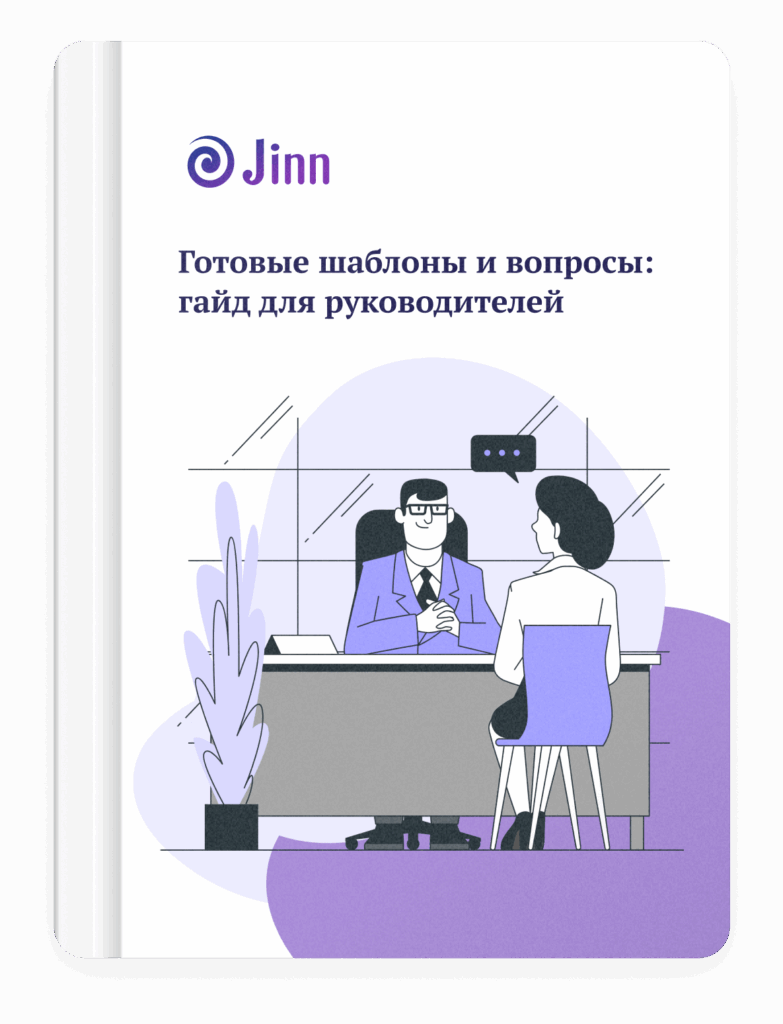
Make It Easier to Prepare for Employee Meetings
Ready-to-use questions and templates for 1-1 meetings
Meeting Notes
One simple action after a meeting can significantly increase its effectiveness.
Write a brief summary of the main outcomes and send it to the other participant. This helps prevent misunderstandings, makes it easy to revisit issues already discussed, and provides a way to check what has been completed. You can also keep personal notes to record key takeaways for future reference.
How to Make 1-1 Meetings Easier
The Appraise platform helps employees and managers prepare effectively for meetings. It lets you launch any survey, set goals, and request or give feedback in just a few clicks.
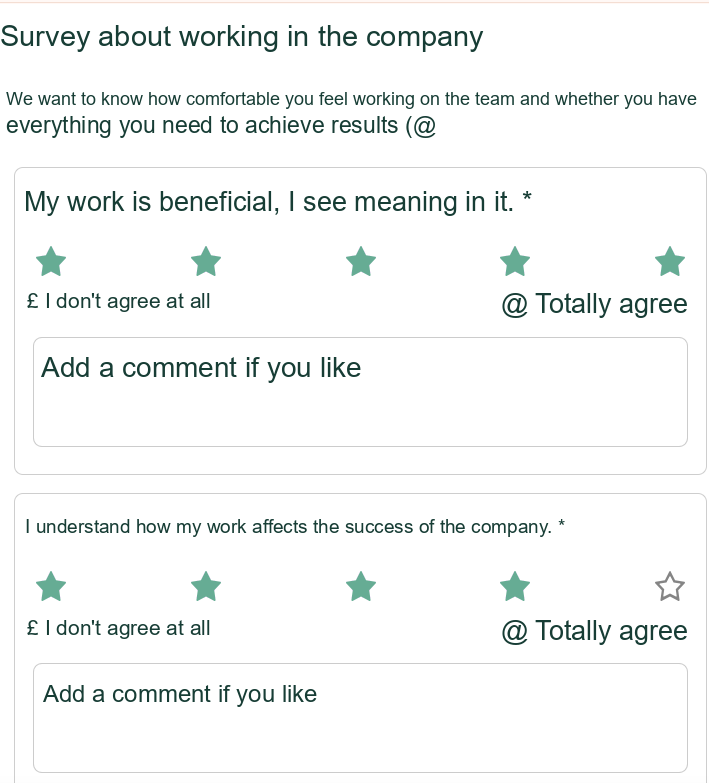
Appraise surveys are one of the tools available for preparing for one-to-one meetings
No manual work is required: all employee information is collected in a single profile and available at any time. Before the meeting, you can review everything you need, analyze feedback, draw conclusions, and prepare detailed recommendations for the employee.
Automate Feedback Collection
Run regular surveys, analyze feedback, and track changes in team engagement